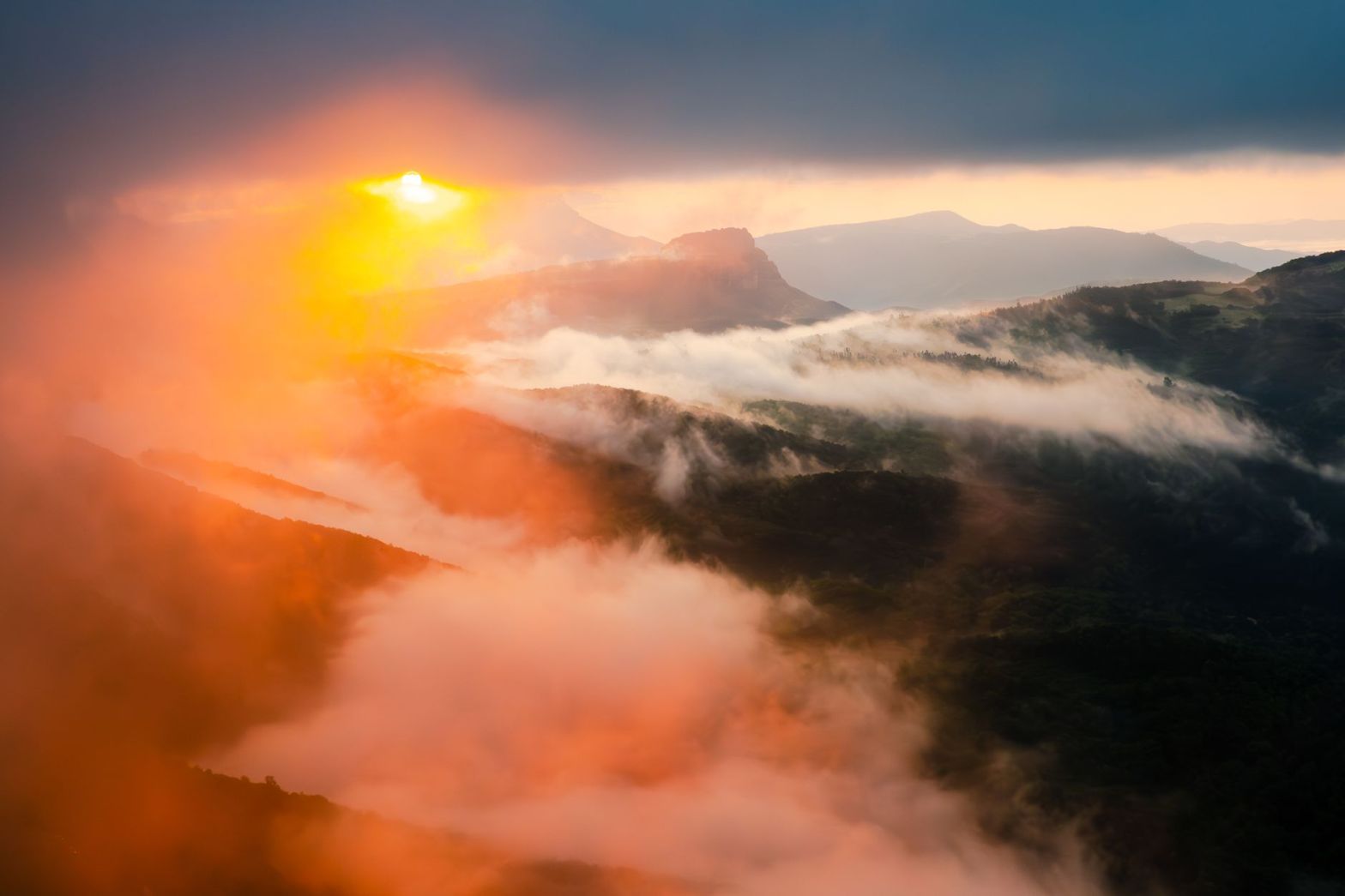
The color orange has been used under one name or another since ancient times. It is thought of differently depending on how it is used, but most often serves to catch attention. For it is a bright color, standing starkly against many others that bare more commonly across the natural landscape.
To me, orange holds a special place in my heart. It is fondly seen by my eyes, and fondly remembered in my mind. It is the color of so many joyous things. I am not sure there is another which can make me smile for no reason at all.
Origins of Orange
Firstly, the term “orange” – in reference to the color – started to come into English use some time in the 16th Century. Before that was the term “orenge,” an older, Anglo-Saxon/French term. However, it was in reference to the fruit, not the color. The color was known as “yellow-red,” which I suppose is a fitting enough term in the absence of any other. Yellow and red together make “orange,” after all.
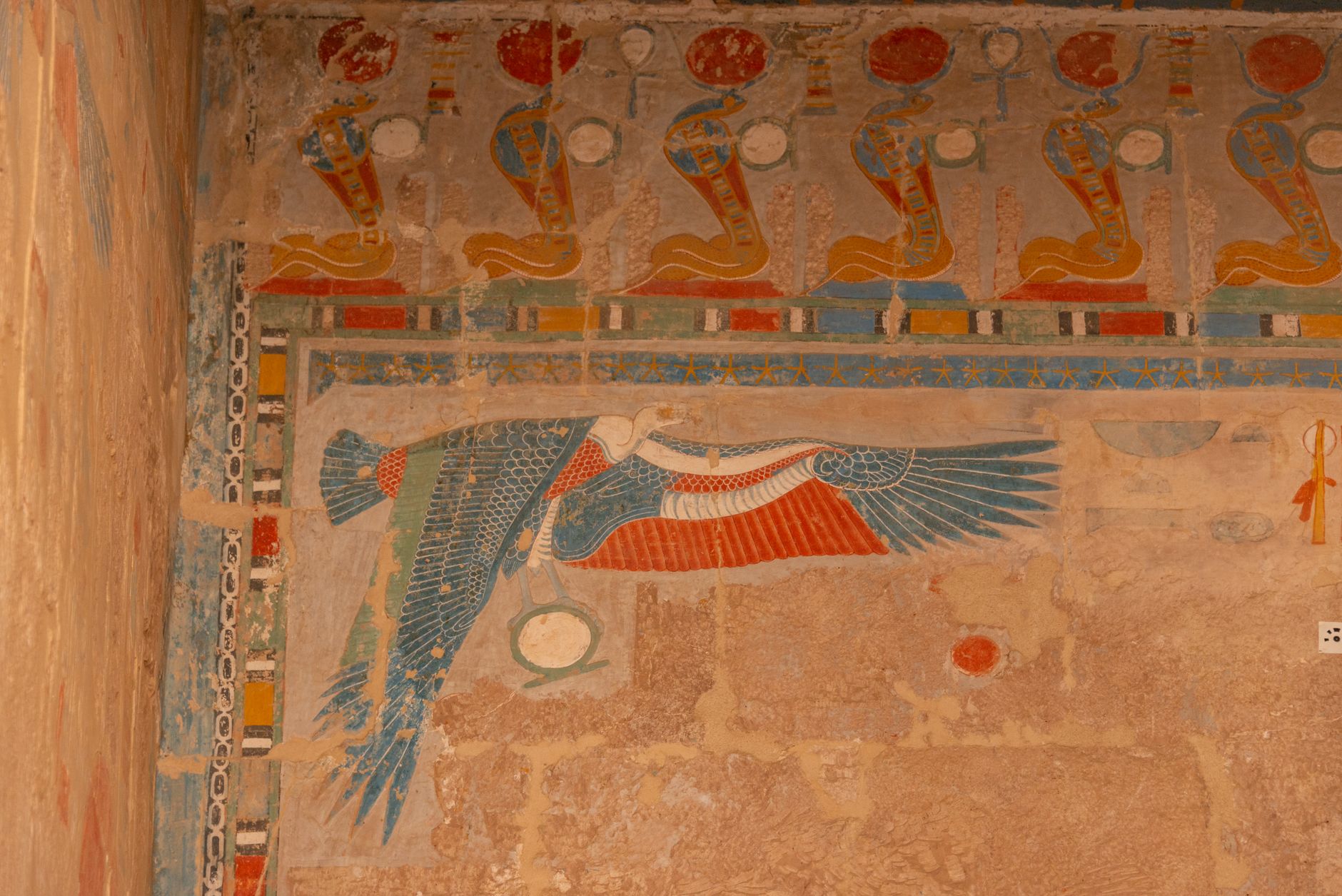
Obviously, the color itself predates any English terminology associated with it. Ancient Egyptians were noted to have used an orange pigment in their paintings. They called it “realgar.” Additionally, ancient Romans used “orpiment” as an orange pigment for a time. However, by the Medieval period, realgar overtook orpiment as, with the former being used in manuscripts and artistic works. This is likely due to the toxicity of orpiment making it unappealing, especially with realgar as a viable alternative.
In modern times, the Frenchman, Louis Vauquelin discovered a mineral known as “crocoite.” Shortly thereafter, this was used to make various synthetic orange pigments. That brings us to the color we know today, which we are able to adjust to our liking and use in an enormous variety of applications.
Modern Variations of Orange
With synthetic pigments, one might say we have created too many shades of orange, let alone all the other colors. However, I am sure visual artists appreciate all the variety. If one can avoid being overwhelmed by the countless decisions and pick the best shade for the application in question, then modern color pigments in their boundless arrays become a treasure trove of possibility.
I appreciate shades of orange with more red in them. Some of the most appealing I have seen are Flame (H#E34A27), Halloween Orange (H#EE5921), and Salamander Orange (H#EF5D22). These tend to bright and “bold,” striking the eyes and providing strong contrast when paired with darker colors next to them.
Psychology of Color
Often, shades of orange, or any other color, get their “meanings” and associations incidentally from two things. Firstly, what objects are there that people know which naturally appear in that color or shade? Secondly, what do people find that color or shade useful for?
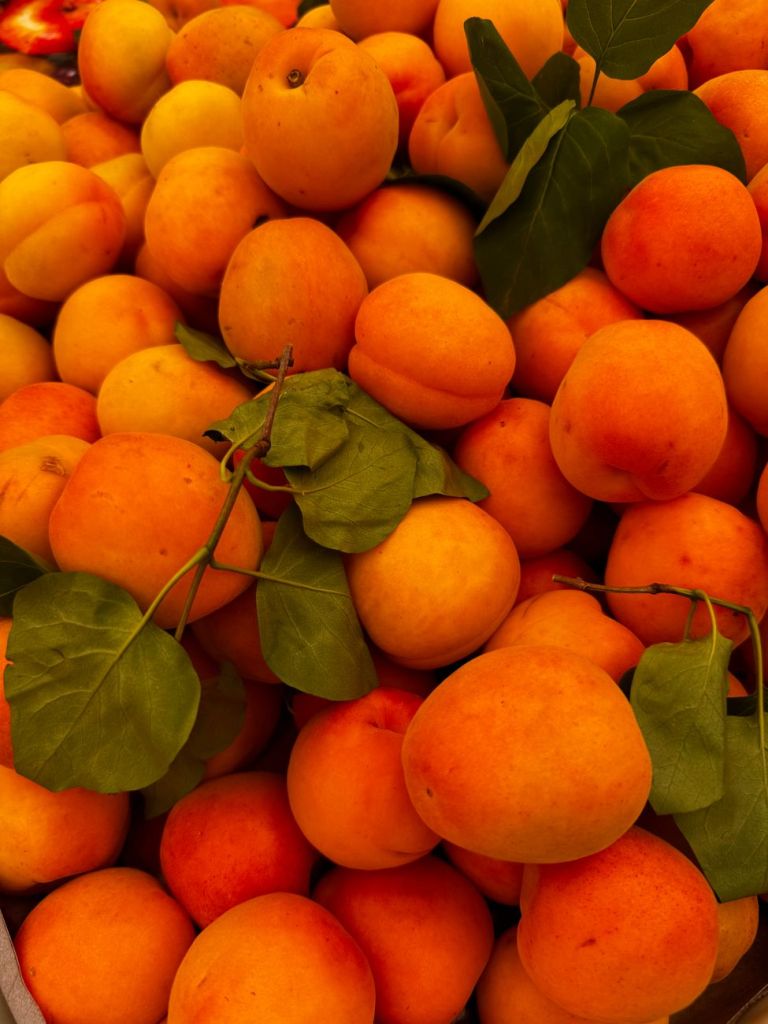
For example, “Apricot Orange” (H#FBCEB1) may be described as “warm, inviting, fresh, and sweet.” What makes it “fresh and sweet”? How does a color even possess such qualities? The reasoning here would be its closeness to the appearance of an apricot, which is understood to be those things in question. As such, one would ascribe those qualities to the aforementioned color/shade.
There can obviously be some variability to such perceptions then. Another might describe Apricot Orange as “bland, stale, cold, and uninviting.” The reason one might give for such a description may be that it is a dull color, and perhaps the person in question has no positive association with apricots. One could say it reminds of how a sickly person “loses the color” in his face. That is why it is important to know your audience, no doubt.
When one knows his audience, orange can be used to influence people in a number of ways. Common associations people report are that it is energetic, optimistic, warm, and happy. Using brighter shades and pairing it with lighter colors may enhance these positive associations. However, darker shades of orange paired with other dark colors could have the opposite influence.
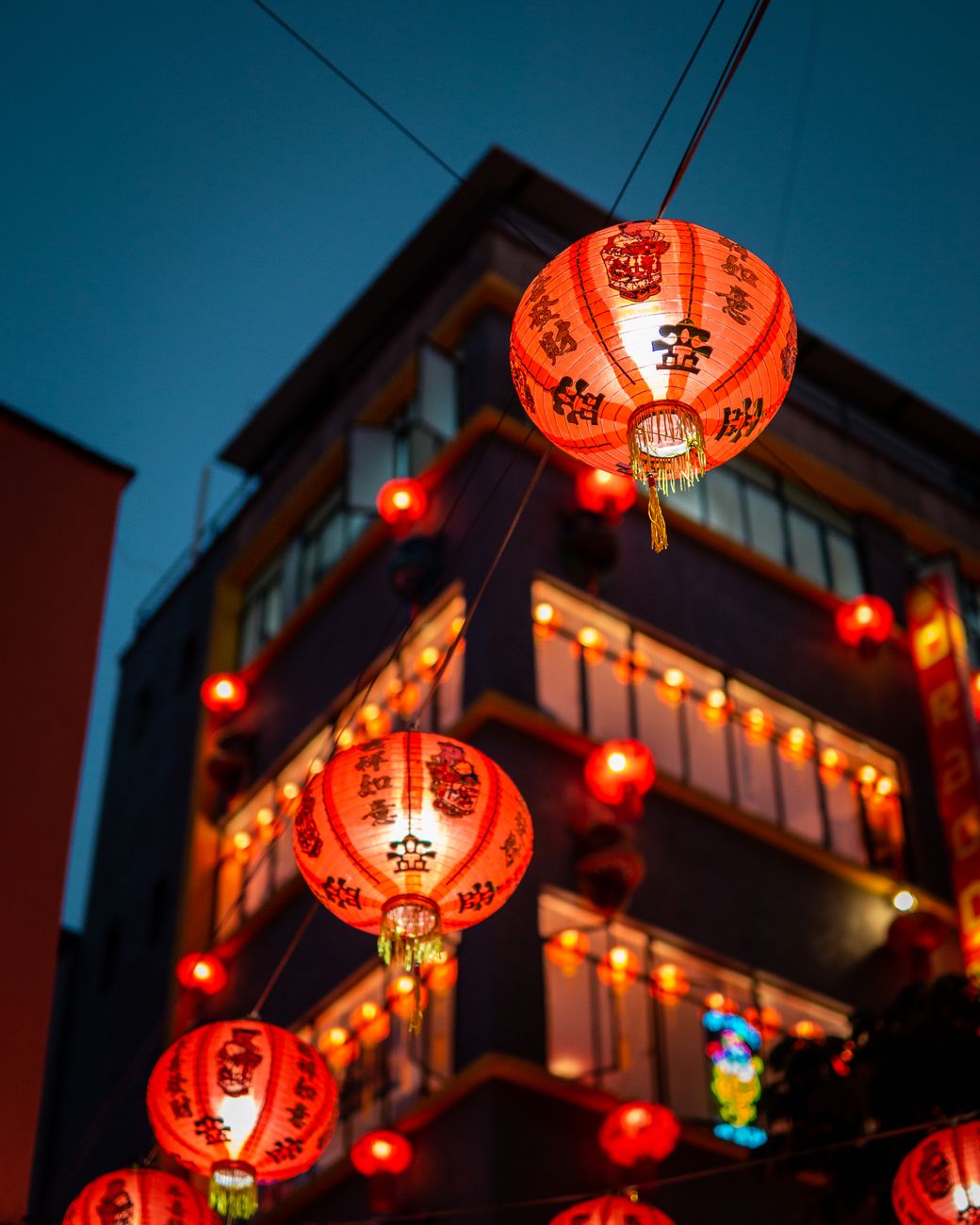
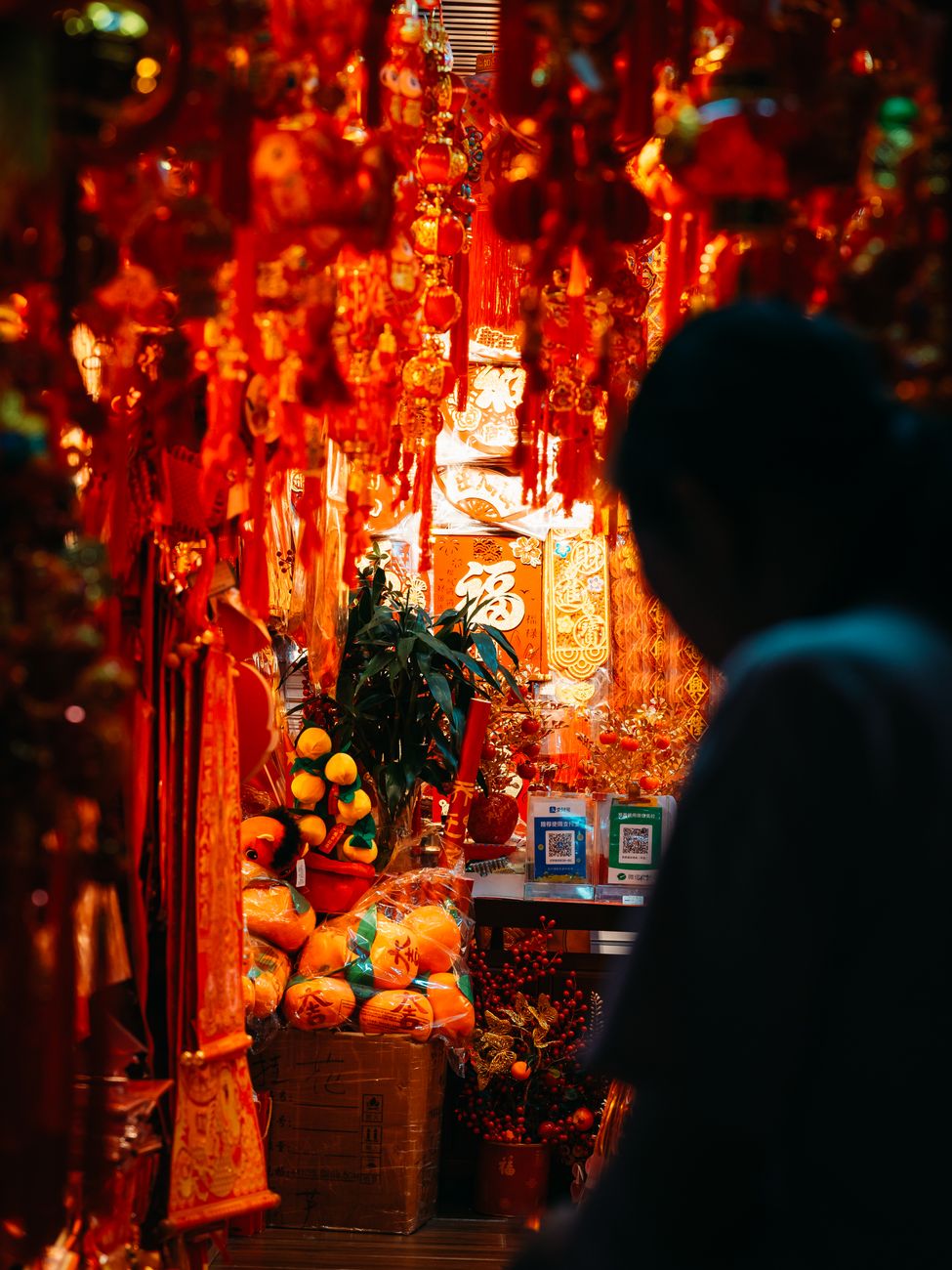
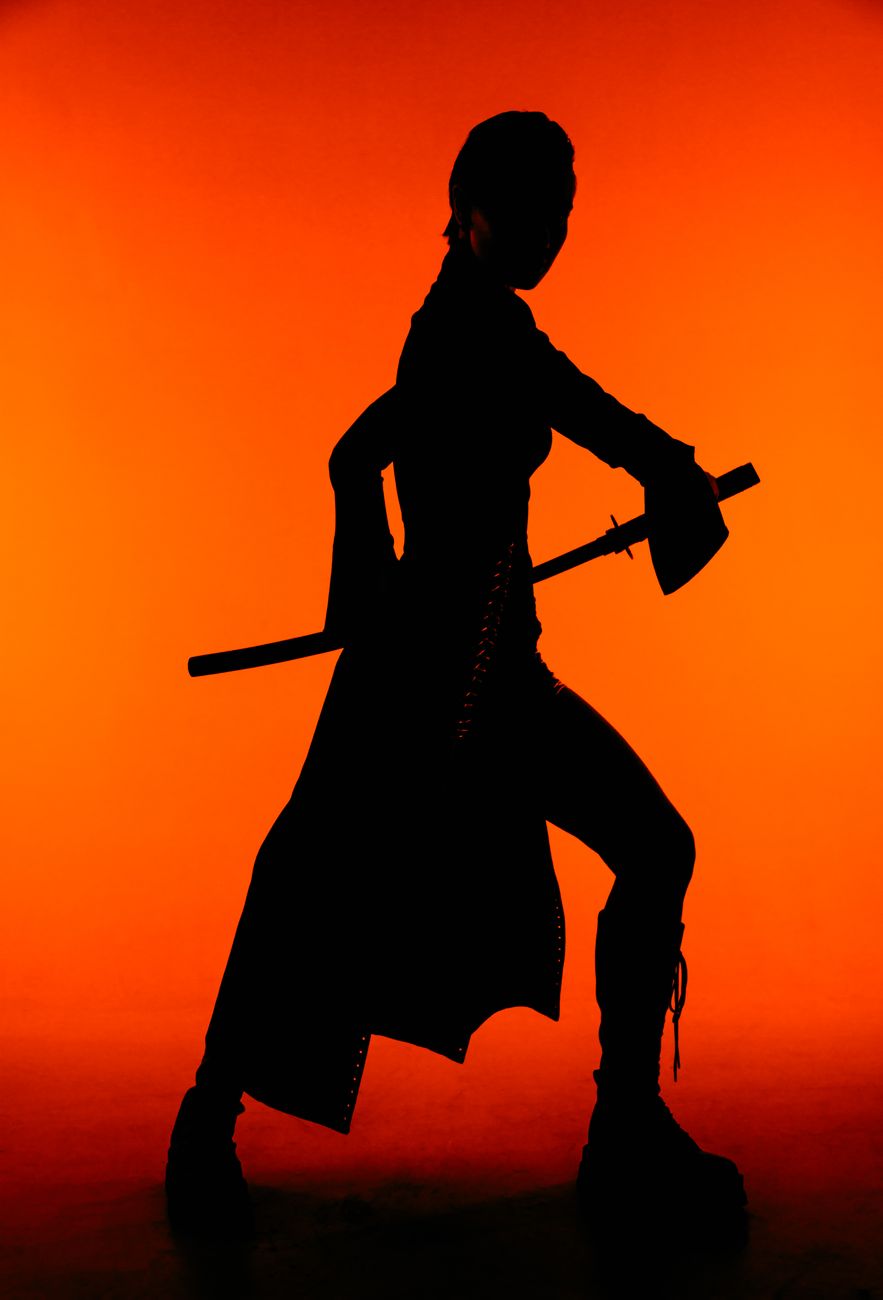
Orange may be used to motivate people to be more active or demand their attention, such as when using it for sporting activities or safety equipment. It can influence appetite and increase indulgence, making it useful when persuading people to eat more. This means that in psychological warfare, it could also be used to disrupt focus and break concentration where critical thinking is required.
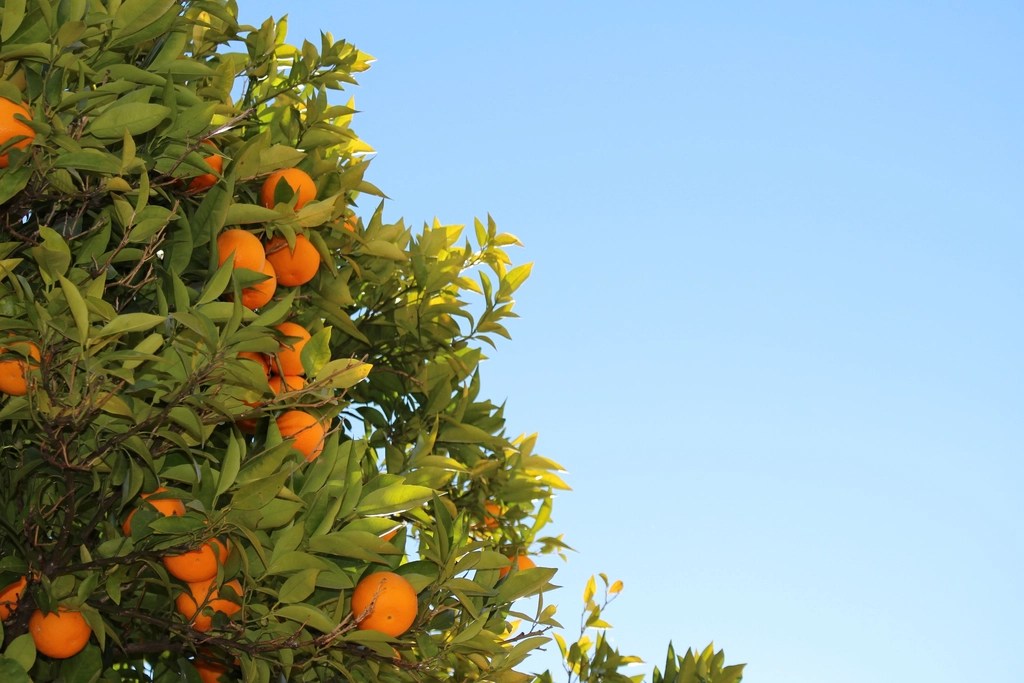
In nature, orange is often the color of bright and vibrant things. The sun, fruit, fire, etc. Thus, the positive and energetic associations it can have make sense. They come from those natural manifestations of the color.
Yet, culture and symbolism have a say as well in the perception of a color. The negative associations it can have – particularly when paired with contrasting dark colors like browns, grays, and black – may come from the season of Autumn and the kinds of festivities which abound during this time.
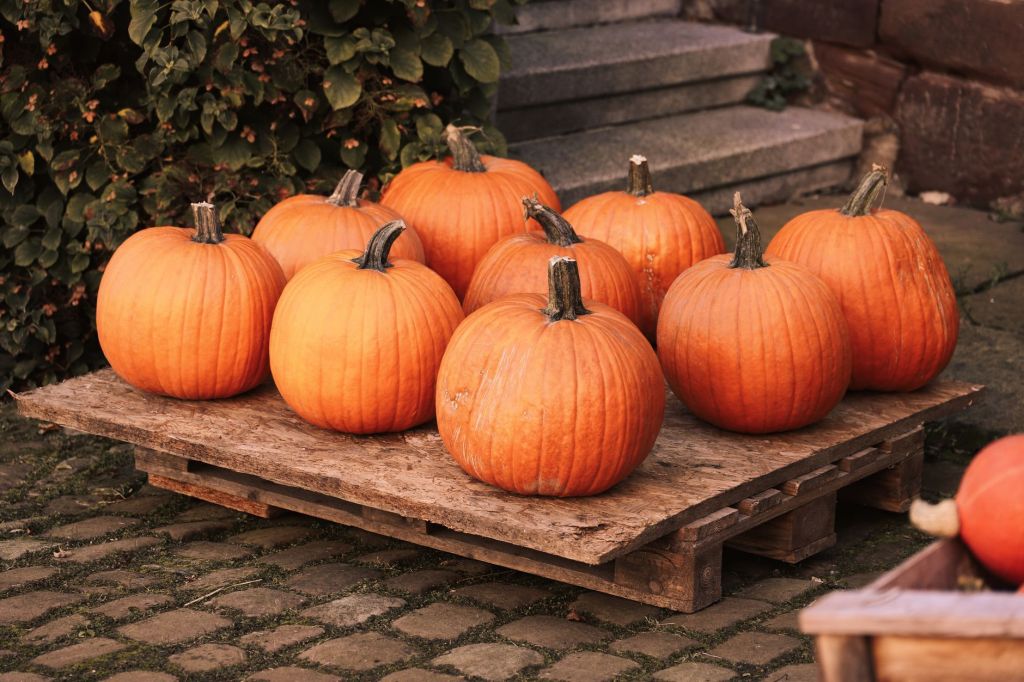
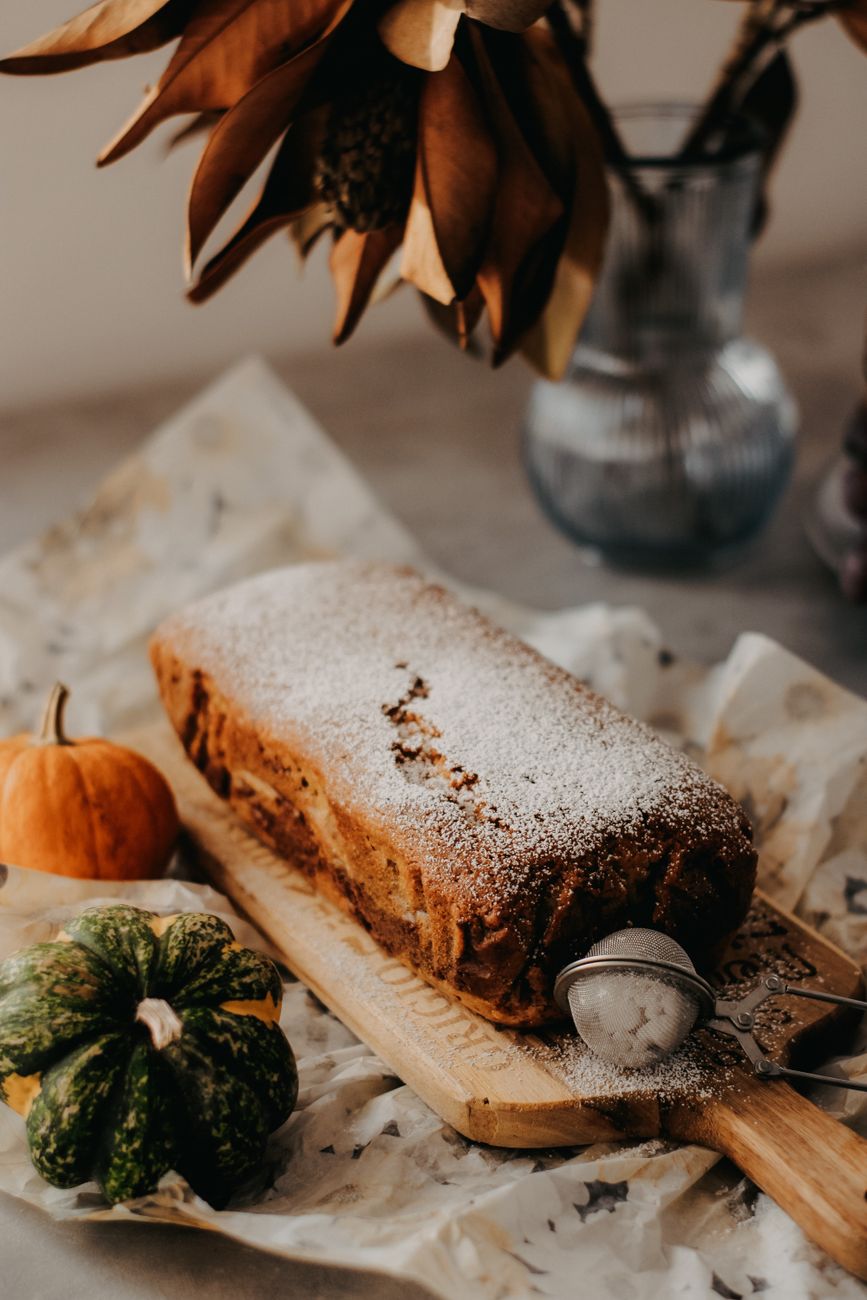
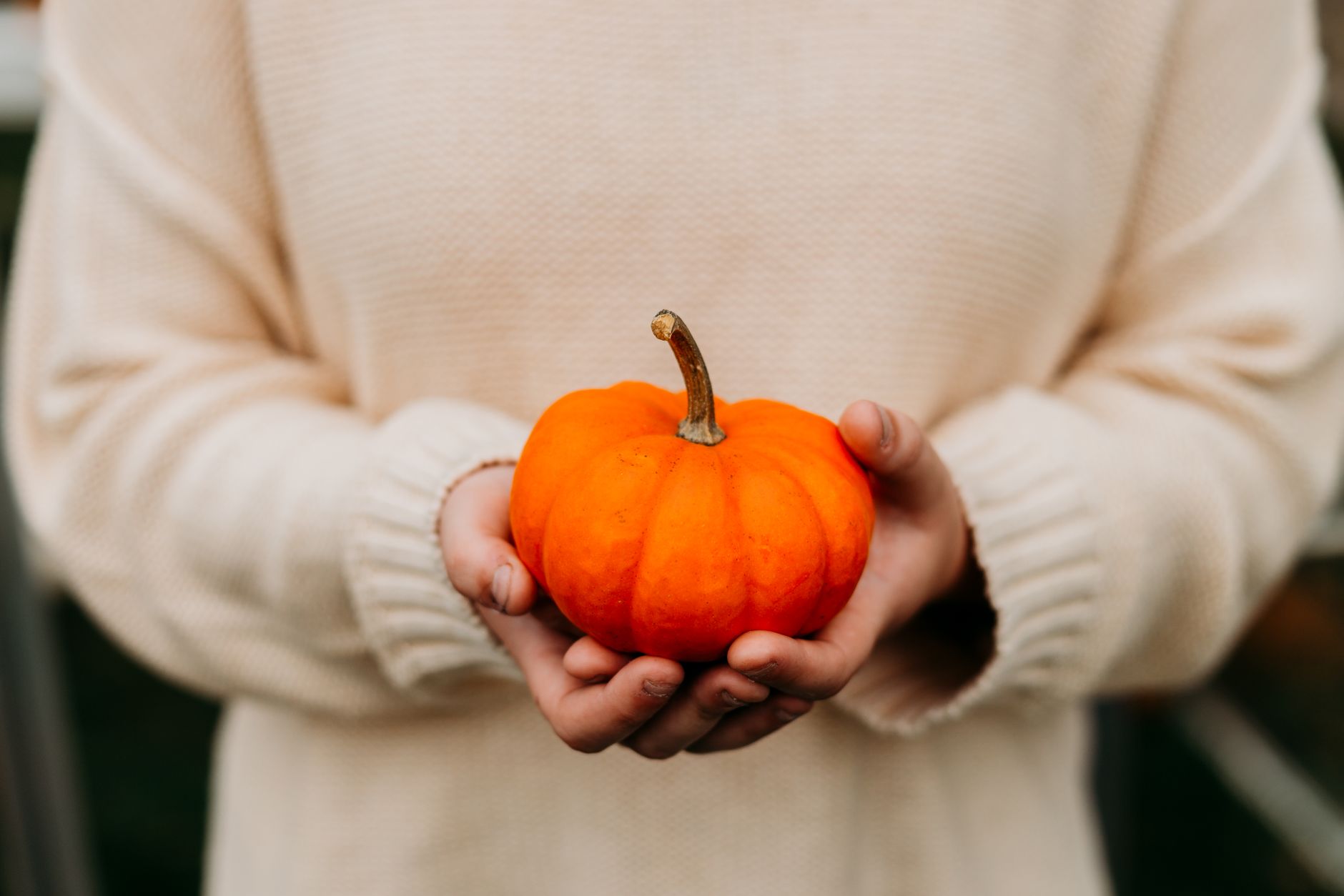
It is when crops are being harvested and pumpkins come time to pick. It is when holidays like Halloween or similar events are celebrated. It is when trees begin to lose their leaves, as the cold front marches in. And the themes which are featured in these times – remembrance of the dead – are what may give rise to some reported associations of the color with melancholy, death, and other such things.
Symbolism of Orange
Thus, we bring our discussion of orange to how it may be thought of cross-culturally and what it may symbolize. As mentioned, it is not only nature that influences how people think of a color. The things they do and how they utilize the color in question also shape such matters. Sometimes, what we think of something is just what we make of it.
Because of orange’s high visibility and attention-grabbing potential, it is often used for things like floatation devices, safety vests, and warning signs. However, because of that utility and how it comes to be used, other cultural associations become attached to it. For it is because of how it is used to signal danger, capture attention, and preserve life that it may then come to symbolize those things within the culture using the color as such.
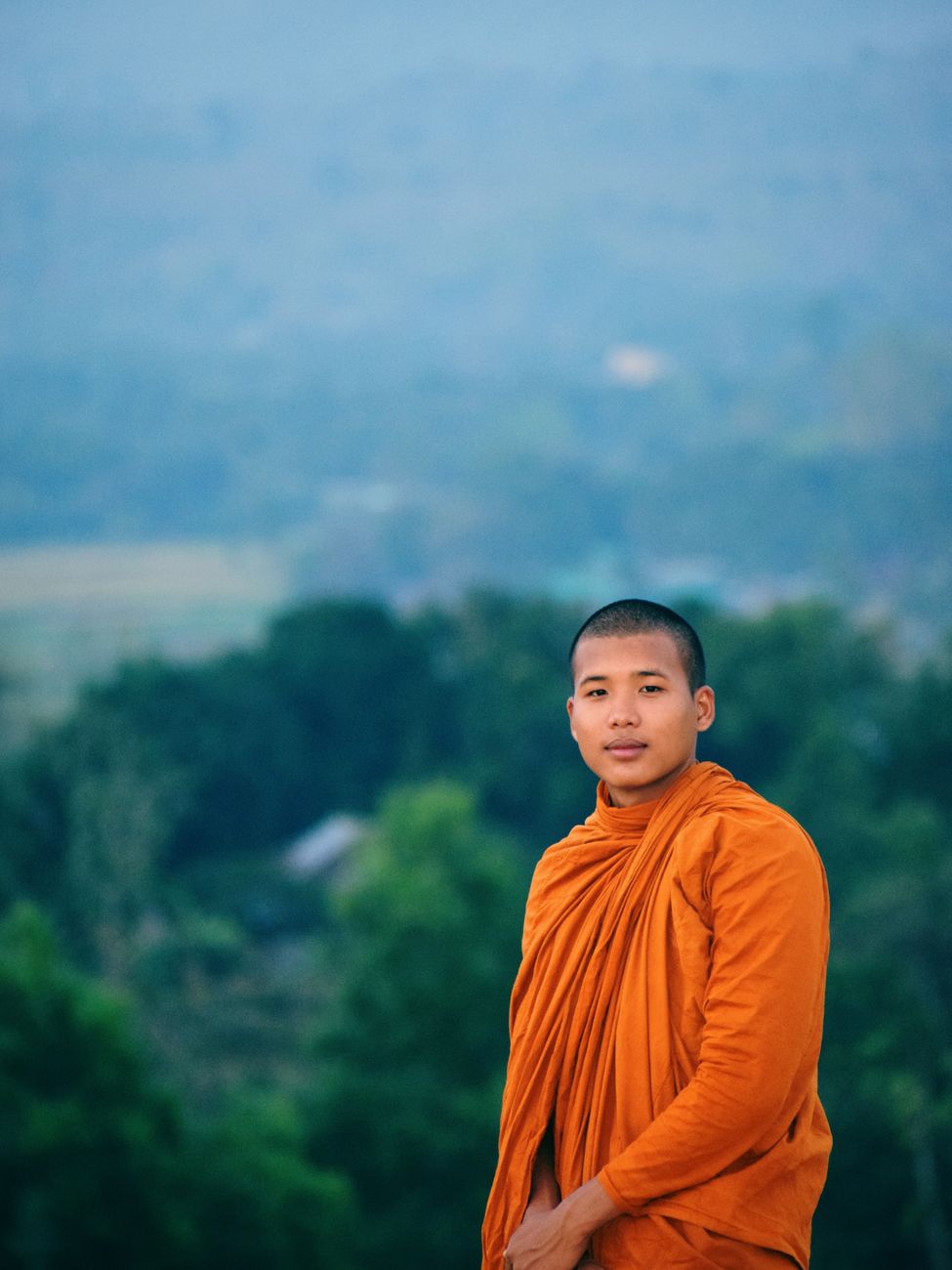
In the culture of Buddhist monks, orange may be thought of as a color of perfect balance due to the yellow-red combination which produces it.
Saffron dyes were also common in antiquity, so orange robes were easy to acquire. Cultural associations then became attached over time.
If orange is often used to capture attention, then someone who is accustomed to seeing orange used for such purposes may come to associate it with danger or safety – seemingly contradictory things. Yet, that is just the power of memory, associations, and psychological programming. Given enough time, the color becomes synonymous with what it is used for, at least in the minds of those who use it that way. This is a key concept to understand before one can grapple with the different associations people and cultures apply to such things, which do not always align or even make sense.
Again, it is important to know your audience when using color for a purpose. It is not enough to just know the color itself and what it means to you. For the warrior, this reminds of the importance of knowing oneself and one’s enemy before engaging in battle. Neglecting either is the source of many defeats. And as already noted, color psychology can be important to warriors engaging in psychological warfare.
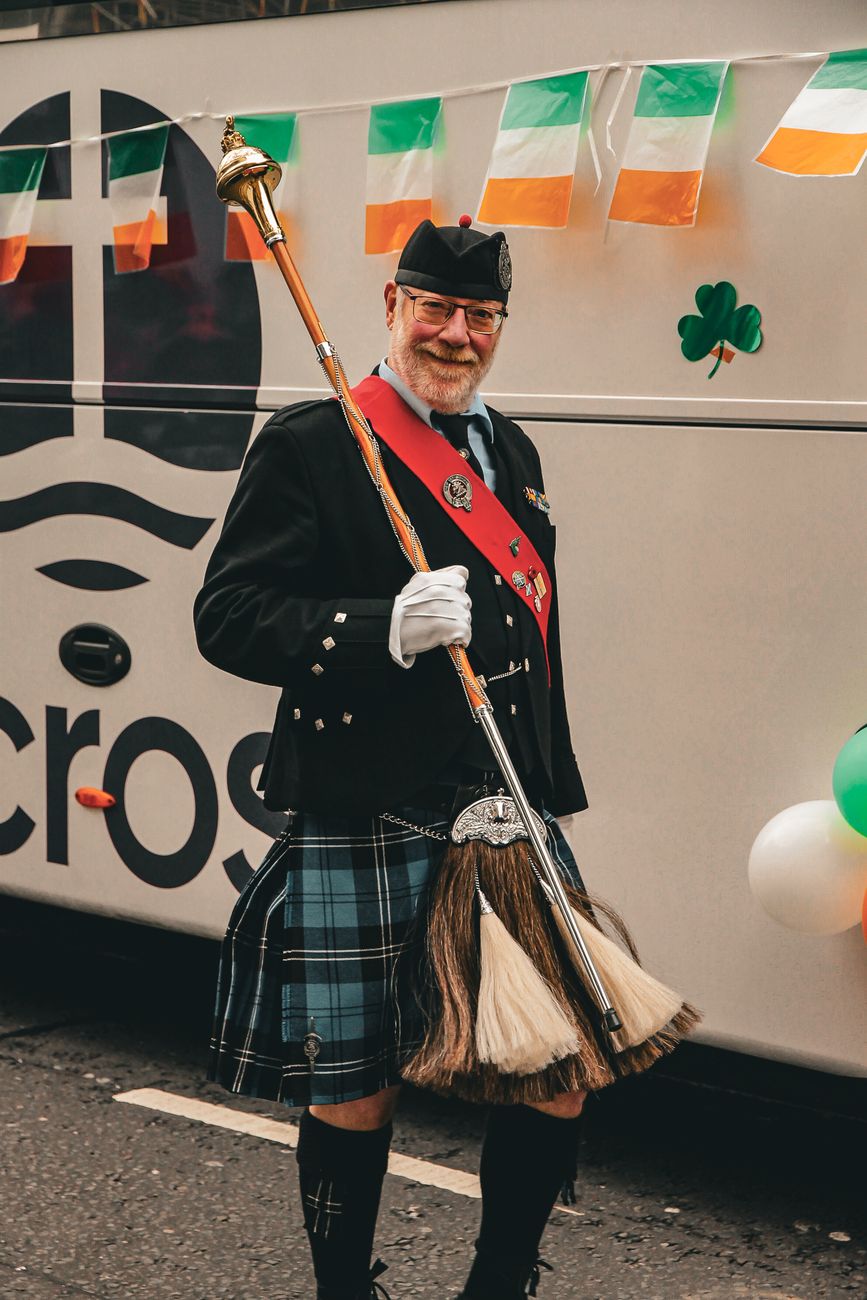
In Ireland, the colors of green, orange, and white respectively symbolize Catholicism, Protestantism, and Ecumenicism – that is, unity between the two.
The Orange Order of Ireland wears the color orange in honor of William of Orange and his victory at the Battle of the Boyne in 1690.
Personal Reflections On Orange
How does the color orange make me feel? What does it make me think of? What comes to mind when I see it? Why is it special to me? The answers to these questions are something not so easily put to words, though I will certainly do my best.
As an American living in the Midwest, the color orange certainly brings fond memories to mind of autumn. This is that time of year when we are offered relief from the heat and humidity of summer, which can balloon to levels in the Ohio Valley Region that feel extreme due to how far they are from how cold and dry it was just months before.
In this place, summer seems to drag on for half the year, extending its horrid tendrils into late spring and early autumn. Thus, when the cooler weather finally arrives in earnest, it is fondly received. And the color orange reminds us of that fondness, for it comes along at the same time. See my poem, “Autumn’s Relief.”
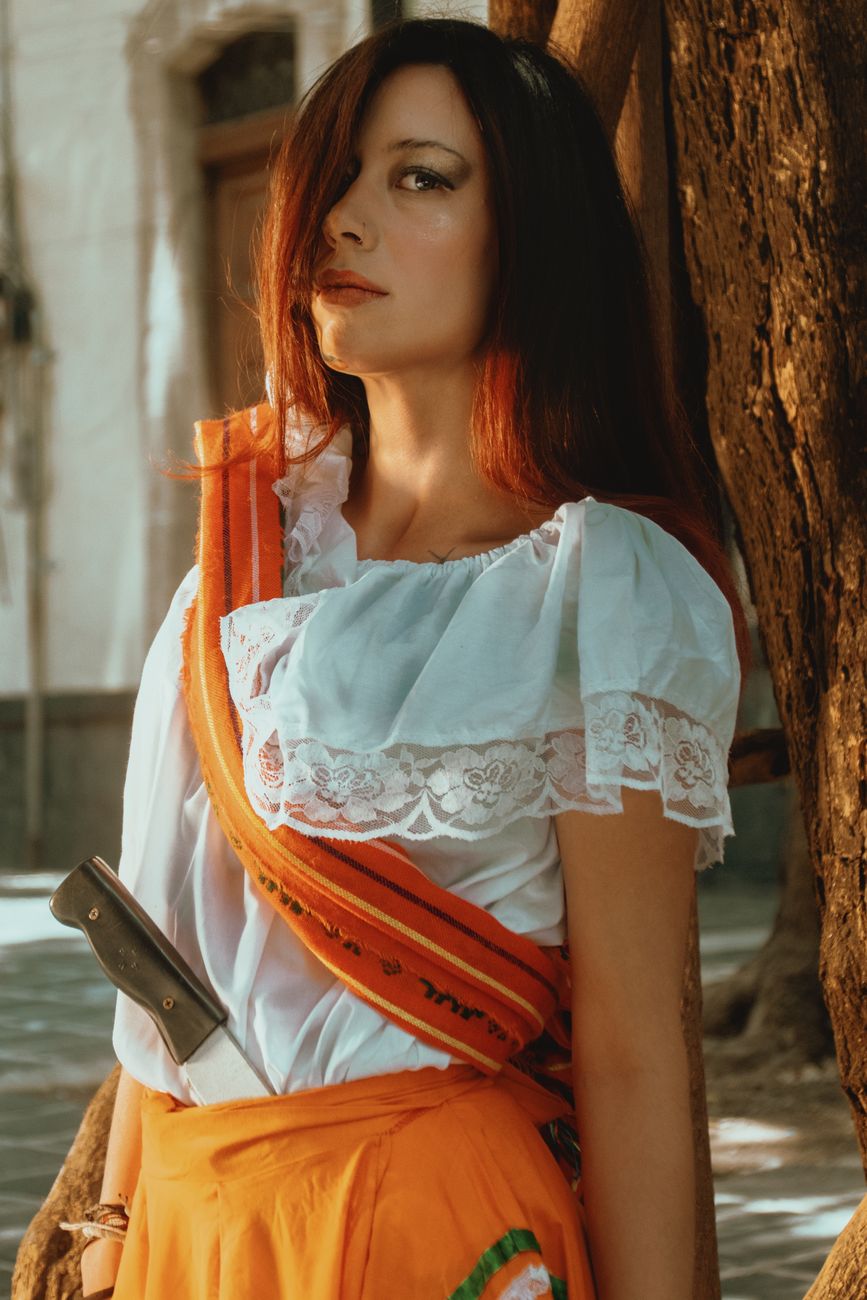


The color orange thus redeems nature in my sight. It makes me smile with genuine joy when it crosses my path in the autumn season, reminding me of my love for the outdoors which has been forgotten in the summer heat. It is redemptive at this time to the colors around it, doing much to lift them up by the greater variety it then provides.
In particular, orange redeems the vibrancy of the color green. During the summer and springtime, there is too much green for the world’s good, making it an eyesore to the soul. It abounds everywhere one looks, at least where I am confined. All the trees harbor nothing but green, whereas all the grass is just the same.
Yet when autumn comes, it blooms with shades of red, yellow, and orange. When mixed in with the trees that hold their green, it makes that verdant color shine all the brighter by its contrast. Even the grass may turn yellow or brown, breaking up its monotony. And in that moment, the color green becomes fond. Its dreariness borne out of its overuse is washed away, and its life is renewed once more, to shine out with joy and wonder.
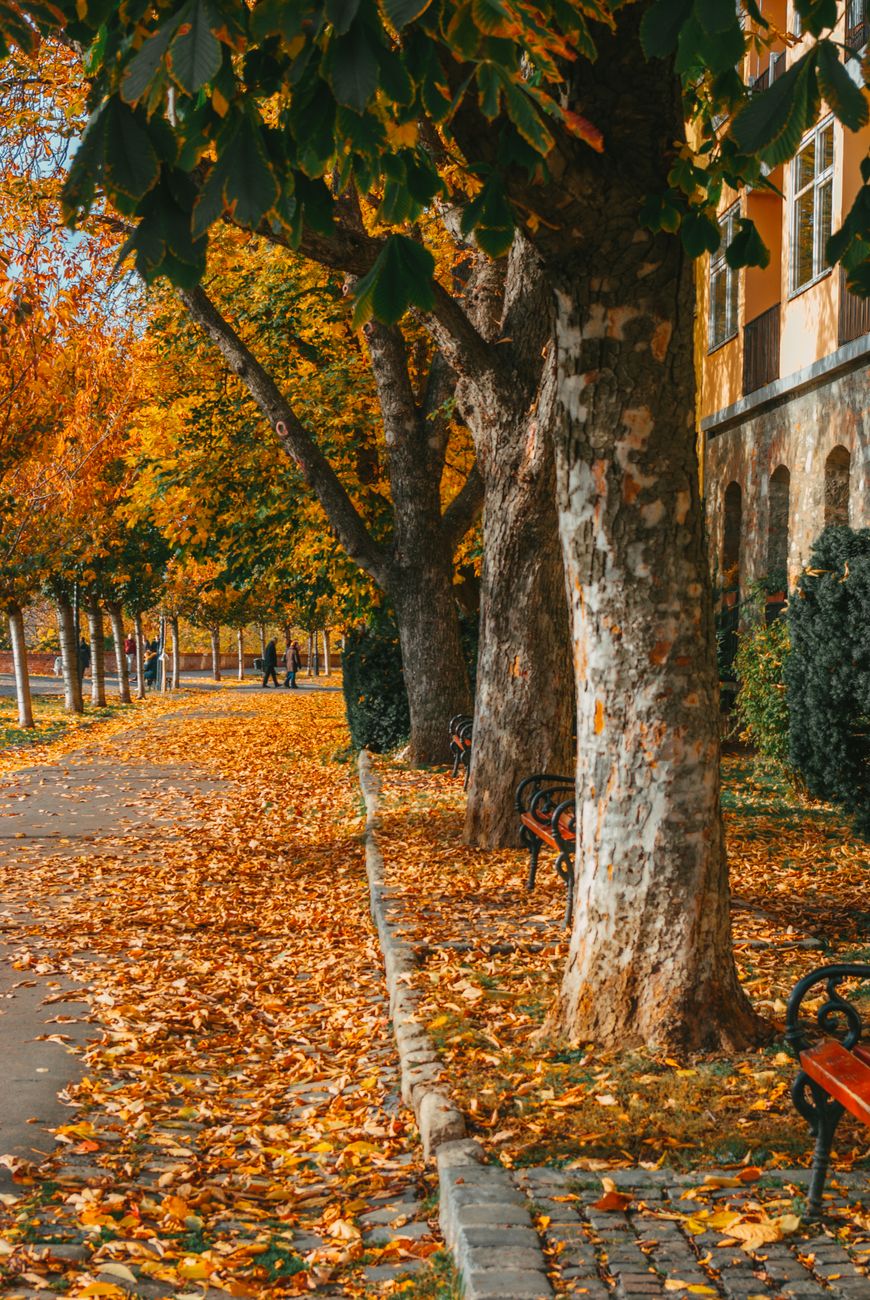
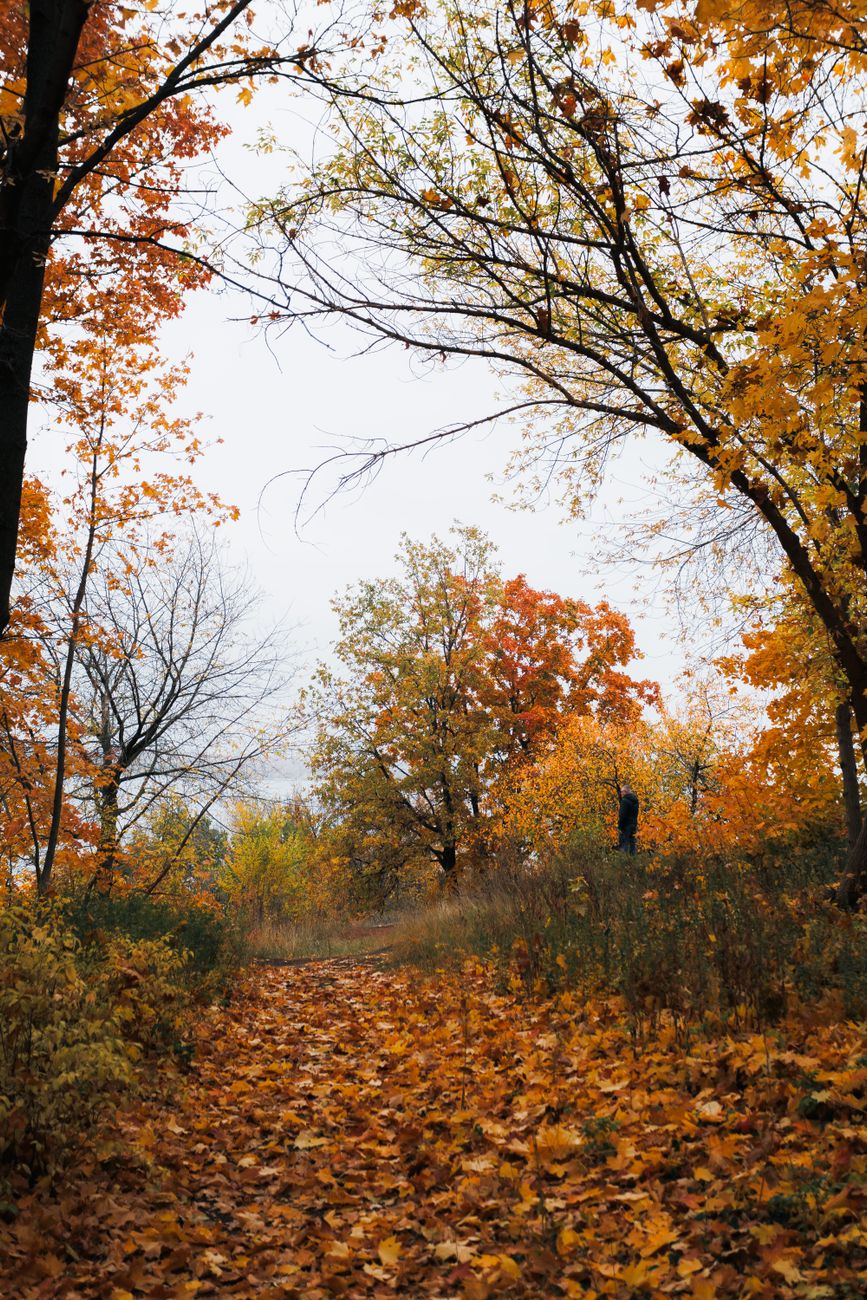
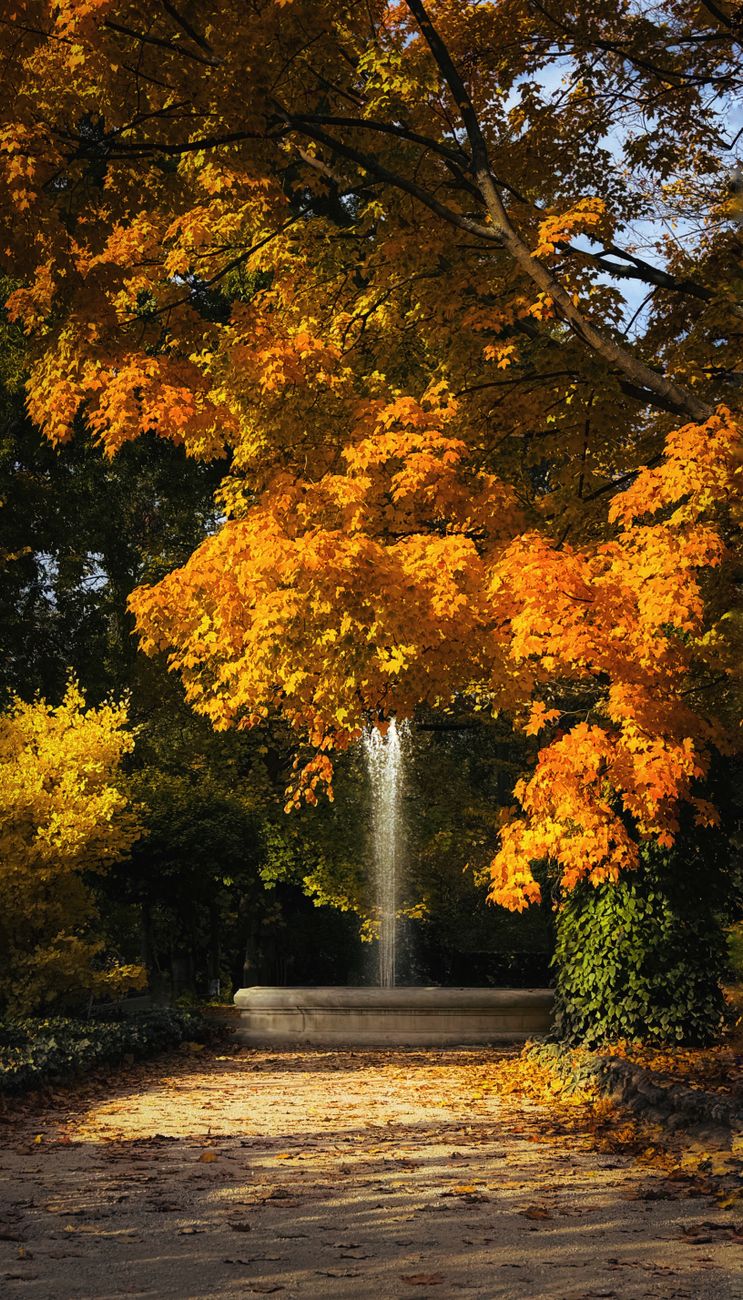
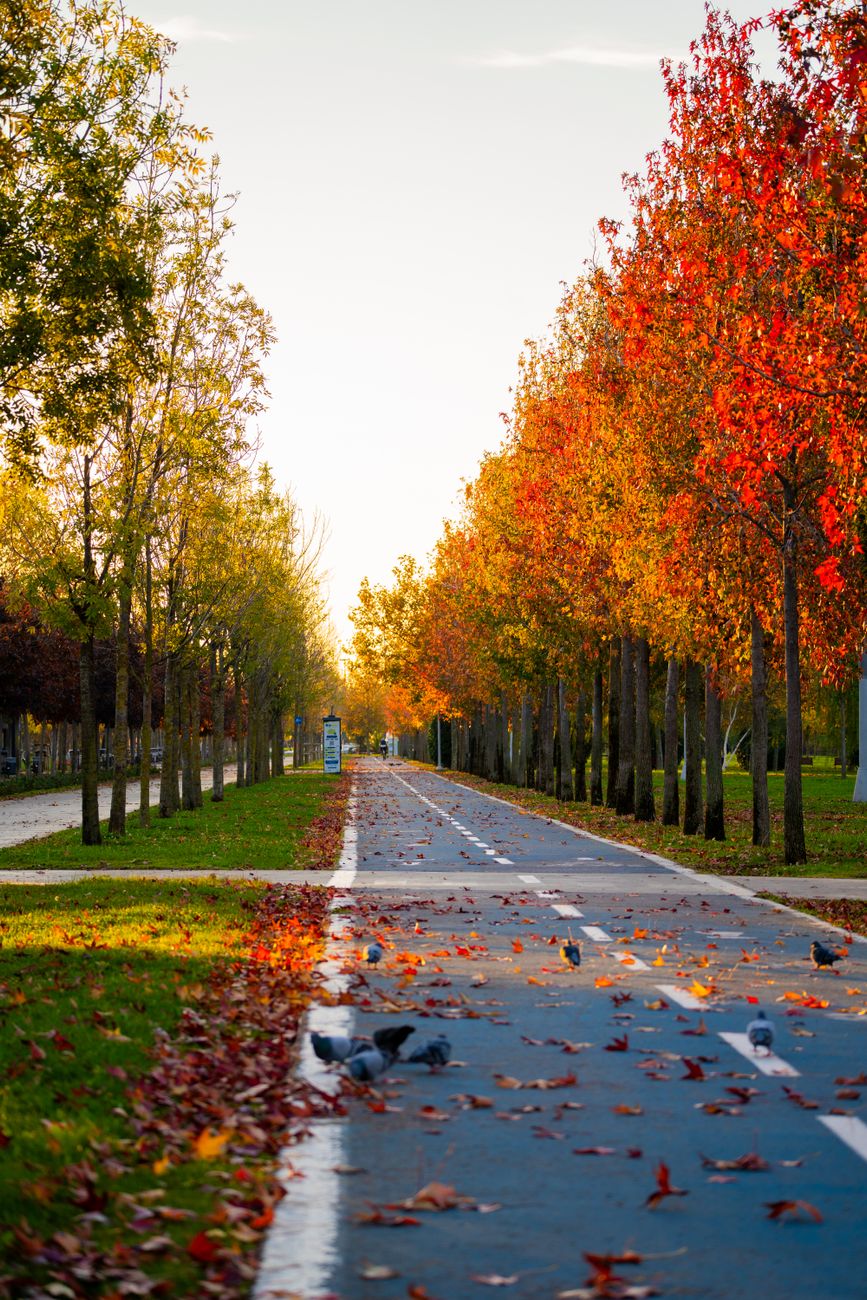
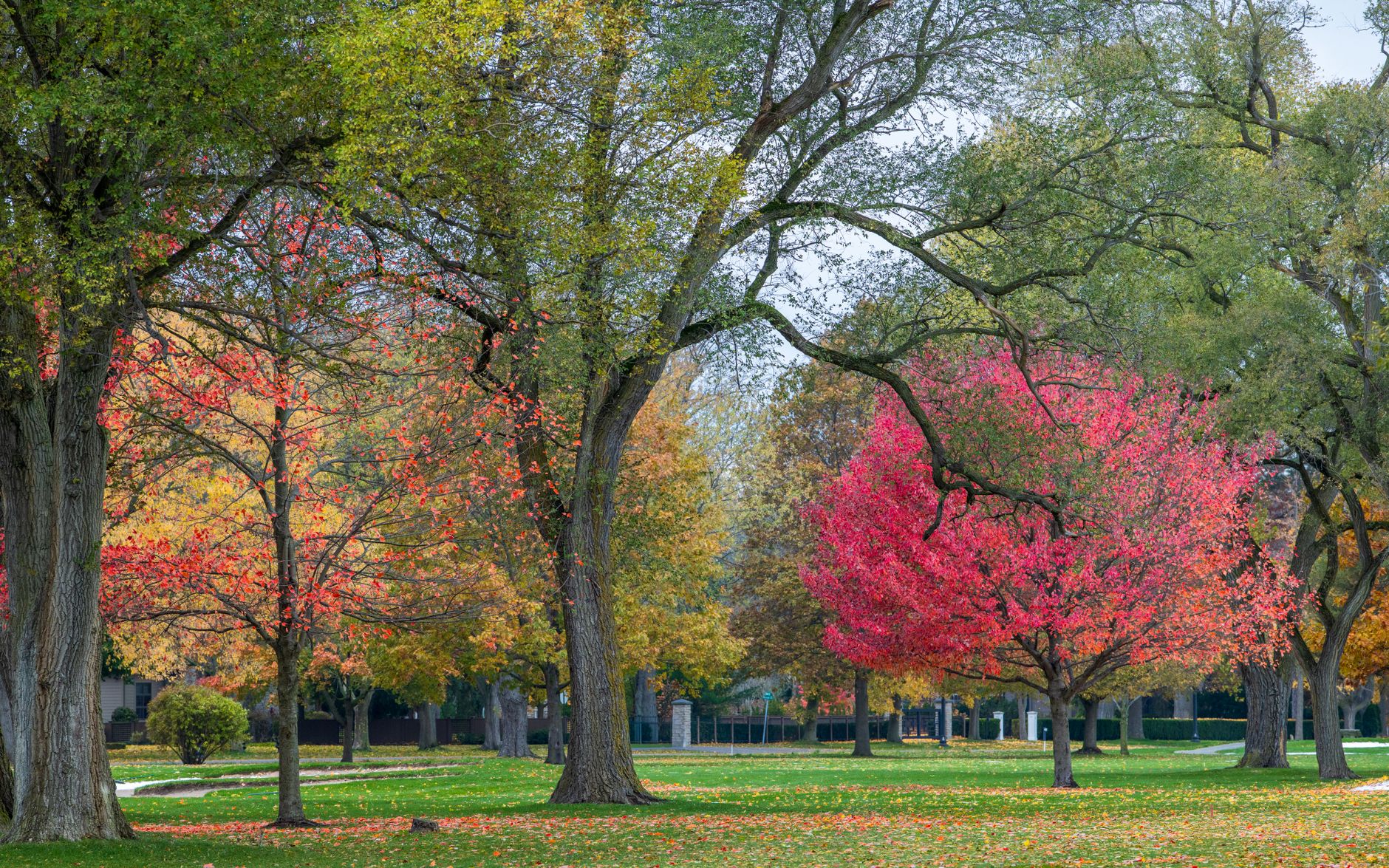
When I see the color orange come back into the landscape, my heart finds a peace that seemed long gone. It is a reminder to me that suffering does fade, and goodness shall always have its day. It heralds the beginning of what they call the “Holiday Season” in these parts – the time when numerous major holidays are celebrated one after the other.
This time begins with Halloween, when community’s all over America act like communities once again, if only for a brief moment. They organize events where people dress up in the ways they love, and go about to visit their neighbors, bringing cheer with every step and smile. They begin to decorate their homes with care and attention that seems foreign in the months before. Those skilled in all manner of arts, from culinary to literary and all beyond, are stirred forth in this time to exercise their talents like never before.
I notice that even in myself, for how could one not be so merry after the weight of summer has been lifted from the soul. Is not water sweetest to the one who is parched, yet bland to the same man when he is beyond his fill? Yes, indeed. So is the end of the year, this so-called “Holiday Season” – ushered in by the color orange. It is that sweet sip of water to the broken and weary spirit. Even if it all is itself, just a fleeting thing, soon to pass. It is soothing, if only for a moment.
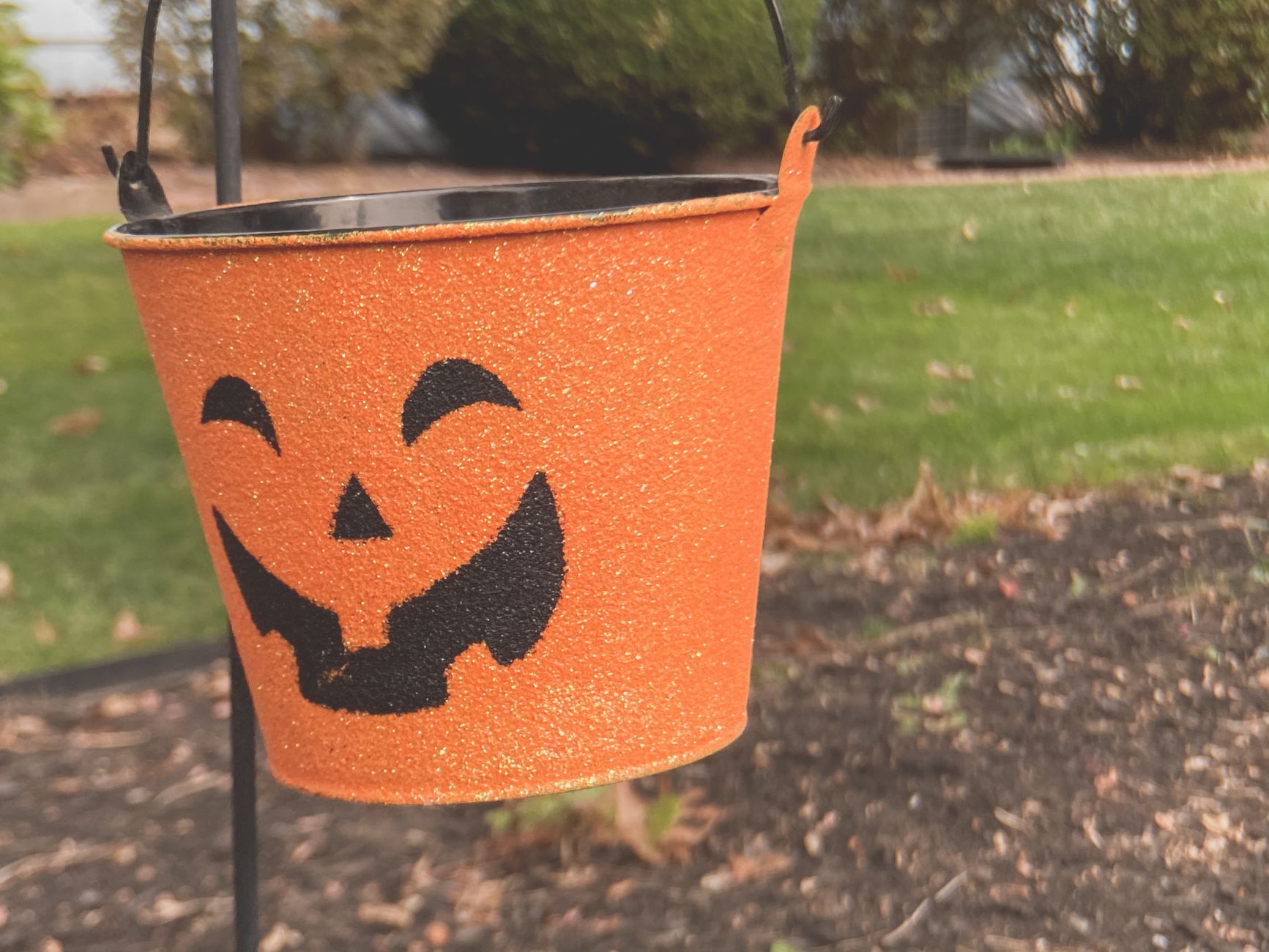
The color orange makes
me smile for a time and
place I have yet to see.
There is some indescribable fondness I find to the color orange, which I can only surmise is tied up in the hopes and dreams it represents to me in my endless mind. It is a light from a place far beyond what I have yet known, beckoning all that is to what may yet be. Those brief glimpses of it, that go as quick as they have come, stir up a gladness in my heart which I am ever grateful for.
Thus, may this poem be an offer of thanksgiving to the Lord of Armies the goodness He has borne in His creation with this color we know as “orange.”
The Color of the Brightest Days
With heavy heart and sorrowed eyes
One looks about for hope to see
To where the autumn sun doth rise
Where coral shades wash o're that be

Then blooms that hue across the land
To soon abound throughout the trees
Reminding one through all to stand
For ne'er to last is all unease

Joy is to come, always at hand
A saffron tinge, a trailing band
The pumpkins that make life so sweet
To come with peace, our hearts, to treat

For darkness looms in this long age
Even where brightest hues they bare
No counterfeit may yet assuage
All that shall be of great despair

But orange still doth make me smile
Even beyond what I may know
Its simple tints somehow beguile
To lift my heart up from below

The color of the brightest days
Those times most true in all their ways
Where cheeriness and love is found
Not to be faked, but to abound

There orange is, as we do name
That hue we see in nature's frame
I know not why the power it hath
Yet grateful am I for its bath
Parting Thoughts
There are many colors which I do enjoy, each in their own right. However, orange is the one color which goes beyond mere preference. There is a fondness in my heart for its hue that none other should boast. For it is orange that heralds the autumn season, when pumpkins bloom and leaves change at last. It is the color that ushers in a warmth of community spirit sore in need by the year’s end. It is the color of flame that soothes one’s hands on a cold day, and cooks the food that sates one’s belly and gladdens one’s heart.
Orange is the color to bless the sky when the sun shall set or rise. It is the color that lights our way in darkness to keep us safe from harm, when shadow threatens to blot out our sight. Orange is a color that is useful, nostalgic, and heartwarming in more ways than one. That fondness it has, which no other holds in my mind, makes it so cherished beyond all those which are merely attractive to the eye.
So then, why we like one color over another is not just a reason to cite. It is a story to tell. It is a memory to behold. Unto each man, woman, and child, what makes a color special, meaningful, and important… That tale, is a piece of each person’s life, and all that one holds dear. Or at least, so it seems to me when I ponder why orange makes me smile when I certainly have no cause to.
And for that, I thank the Lord. Amen.
And what about you? Do you have a favorite shade of orange? If so, what do you think it is best used for? If you have a negative association with the color orange, why do you think that is? How would you articulate that?
What about another color that is special to you? Do you have a story for a different hue? What color holds a unique place in your heart?
All Pensive Warrior blog posts are licensed under a Creative Commons Attribution-NonCommercial-NoDerivatives 4.0 International License.

